
In a world where ideas matter as much as knowledge, communication has become one of the most important life skills a child can learn. And while reading and writing are taught early, speaking confidently is often left for later. But the truth is simple:
Public speaking isn’t just for adults—it’s a skill that should begin in childhood.
Here’s why early communication training sets the foundation for a child’s confidence, leadership, and future success.
1. Children Who Speak Well Think Better
Speaking requires organizing thoughts, choosing the right words, and expressing ideas clearly.
When kids practice public speaking, they:
Learn to think logically
Develop clarity of thought
Improve their vocabulary
Build stronger academic performance
It’s not just about speaking—it's about how they learn to process information.
2. Public Speaking Builds Confidence from a Young Age
Imagine a child who can raise a hand in class, share an idea without fear, or present a project proudly.
This confidence is built step by step through:
Storytelling
Recitations
Role-play
Small group discussions
Once a child becomes comfortable speaking in front of others, they start believing in themselves.
And that belief becomes the foundation of future success.
3. Kids Learn to Handle Stage Fear Early
Fear of public speaking is the #1 fear among adults.
Why?
Because no one taught them early.
When children get exposure to speaking in front of others, they learn:
How to manage nervousness
How to stay calm
How to express ideas even when they feel shy
They learn that stage fear is normal—and manageable.
4. Communication Skills Help in School and Beyond
Good communication makes kids:
Better at group projects
More active in class participation
Stronger in social interactions
More persuasive and influential
These skills help not just in school, but in later areas like job interviews, presentations, and leadership roles.
5. Public Speaking Boosts Creativity and Imagination
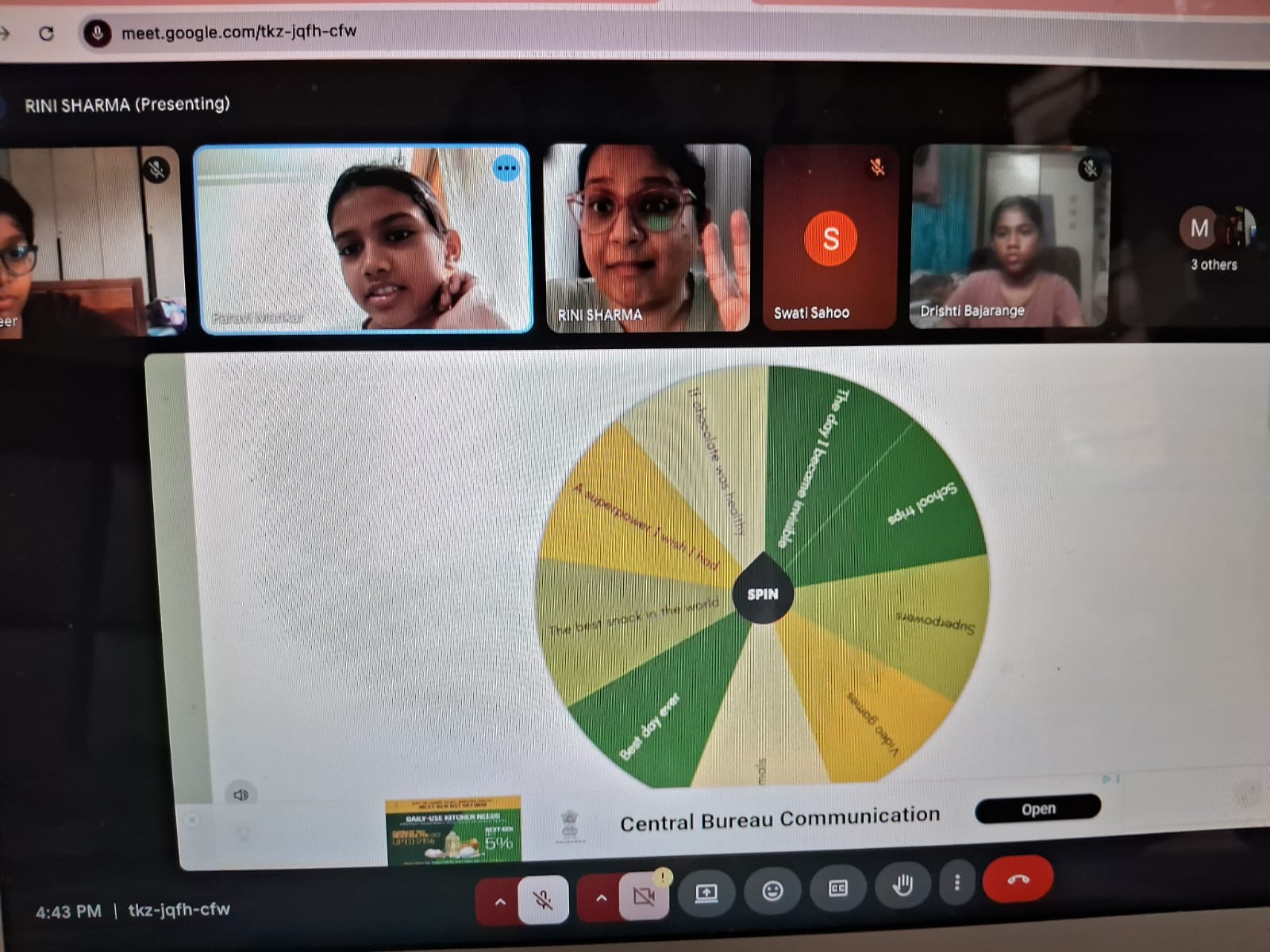
When asked to speak on topics like “My Dream” or “If I Had Magical Powers,” kids learn to think outside the box.
Public speaking helps them:
Explore creative ideas
Express unique thoughts
Build storytelling skills
This creativity helps them excel in writing, art, drama, and even problem-solving.
6. It Builds Leadership Skills Early
Great leaders are great communicators.
Public speaking teaches kids to:
Take responsibility
Influence others
Guide group discussions
Stand up for what they believe in
When communication begins early, leadership grows naturally.
7. Helps Children Express Emotions in a Healthy Way
Children often struggle to say what they feel.
Public speaking—especially storytelling—helps them:
Express emotions
Understand feelings
Build emotional intelligence
A child who can speak about their feelings grows into a balanced, emotionally healthy adult.
8. The World Is Changing—and Communication Is Key
AI, technology, automation… many skills may change.
But one thing will never lose value:
The ability to express thoughts clearly and confidently.
Whether a child becomes a doctor, engineer, artist, entrepreneur, or anything else—communication will be their superpower.
Conclusion: Start Early, Grow Strong
Public speaking is not just an extracurricular activity—it’s a life skill.
When taught in childhood:
Confidence grows
Creativity flourishes
Fear reduces
Leadership develops
Most importantly, kids learn to express who they truly are.
Give a child a voice, and you give them a future.